Source: IPNLF.org

Pole and Line

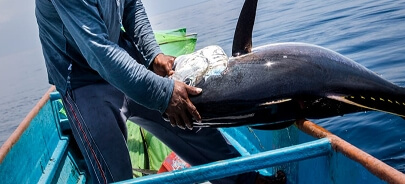
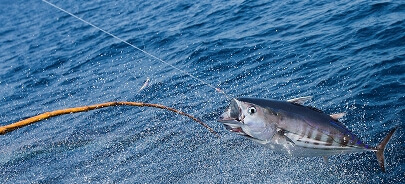
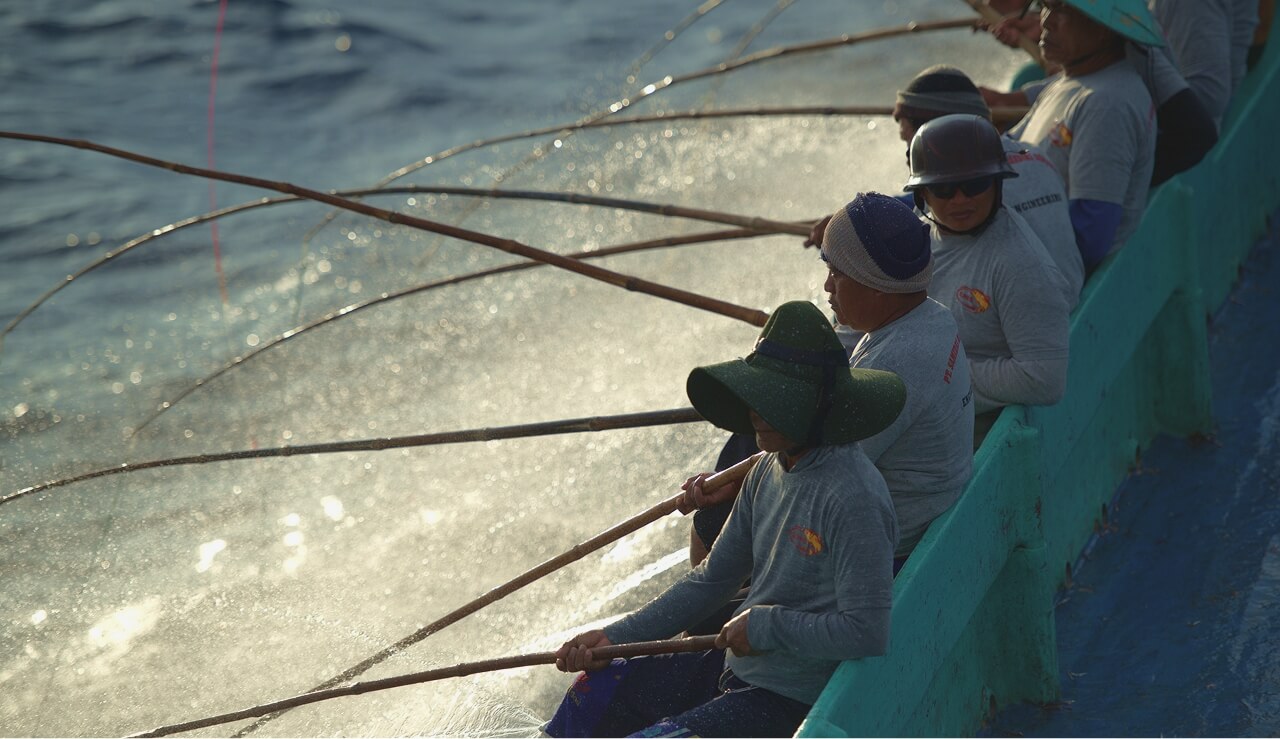
Pole and line is a traditional fishing method, which is both socially and environmentally responsible. Requiring just one hook, one line and one fisherman, fish are caught one at a time.

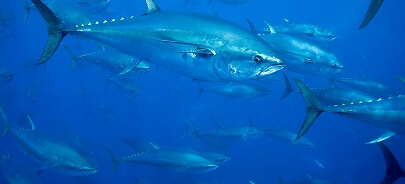
The result is a wide variety of environmental and socio-economic benefits, including high employment, zero bycatch and a more sustainable haul of tuna and one of the world’s most widely eaten fish.

The particular benefits of pole and line tuna are wide-ranging, touching both our environment and our society. These include:
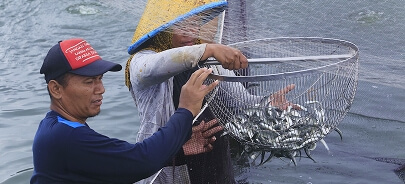
More Jobs
Pole and line fishing requires more fishermen per tonne of catch than any other fishing method. Local jobs for local people increases employment and the standard of living for many households across coastal communities.
Higher Incomes
There is an increasing demand for sustainably and equitably caught tuna in Europe, the US, Japan and elsewhere. This has enabled coastal fishing communities to obtain a higher price for their pole and line caught tuna, shared between the many fishermen involved. The result is a more equitable distribution of resources.
No Overfishing
The selective nature of the pole and line method makes it virtually impossible to deplete a fish stock since the fishing is literally done one-by-one. This enables tuna populations to maintain stable, natural reproductive rates and it ensures a sustainable supply to fishers. Endangered tuna species are therefore safe from extinction.
No by-Catch
The pole and line method eliminates the risk of by-catch. In a lot of cases, lines are specially made for tuna and cannot injure or kill other species. Endangered and protected species such as sharks, whales, dolphins and turtles are not harmed by this fishing technique. Better serve sustainably-minded consumers.
More Jobs
Pole and line fishing requires more fishermen per tonne of catch than any other fishing method. Local jobs for local people increases employment and the standard of living for many households across coastal communities.
Higher Incomes
There is an increasing demand for sustainably and equitably caught tuna in Europe, the US, Japan and elsewhere. This has enabled coastal fishing communities to obtain a higher price for their pole and line caught tuna, shared between the many fishermen involved. The result is a more equitable distribution of resources.
No Overfishing
The selective nature of the pole and line method makes it virtually impossible to deplete a fish stock since the fishing is literally done one-by-one. This enables tuna populations to maintain stable, natural reproductive rates and it ensures a sustainable supply to fishers. Endangered tuna species are therefore safe from extinction.
No by-Catch
The pole and line method eliminates the risk of by-catch. In a lot of cases, lines are specially made for tuna and cannot injure or kill other species. Endangered and protected species such as sharks, whales, dolphins and turtles are not harmed by this fishing technique. Better serve sustainably-minded consumers.

There is presently a gap between the increasing demand for pole and line tuna and its supply. More pole and line tuna means more satisfied consumers, and the modest premium will continue to fall as more people support sustainable tuna. So, let's support a better way to fish.

Below are the video of pole and line tuna fishermen in action: